
Xerostomia is a state of lack of saliva, giving a feeling of having dry mouth. Saliva is essential to keep your mouth moist and to clean your teeth and the rest of your mouth; it neutralizes the acids produced by plaque and gets rid of dead cells that accumulate on the tongue, gums and cheeks . Saliva also prevents infection by reducing the number of bacteria and fungi. And when it comes to nutrition, saliva helps to digest food by making it soft, and makes possible the action of tasting, chewing and swallowing.
Having dry mouth is a situation that is not only uncomfortable but also a bad for the health of your teeth and your digestive system. Fortunately, there are many effective treatments to control this problem.
Causes
When you know what can cause xerostomia, it may be possible for you to control and prevent the factors that trigger it. Although there are situations dry mouth is more difficult to control especially if it’s related to a disease or a medical treatment. Here are the main causes of xerostomia:
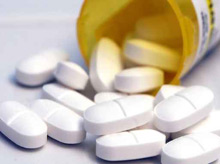 Side effects of certain medications can make your mouth dry. These drugs include those used to treat depression, anxiety, pain, allergies and colds (antihistamines and decongestants), obesity, acne, epilepsy, hypertension (diuretics), diarrhoea, nausea, psychotic disorders, urinary incontinence, asthma (certain bronchodilators), and Parkinson’s disease. Xerostomia is furthermore a side effect of muscle relaxants and sedatives.
- Side effects of certain diseases or infections can affect the salivary glands. These include the Sjögren syndrome, HIV / AIDS, Alzheimer’s disease, diabetes, anaemia, cystic fibrosis, rheumatoid arthritis, hypertension (high blood pressure), Parkinson’s disease, stroke, and mumps.
- Side effects of certain medical treatments, especially those used against cancer, can cause damage to salivary glands. For example, radiation to the head and neck and chemotherapy treatments can reduce the amount of saliva produced.
- Nerve damage following injury or surgery in the head can reduce the amount of saliva in your mouth.
- Dehydration which is due to certain conditions such as fever, sweating, vomiting, diarrhoea, blood loss, and burns can make your mouth dry.
- The consequence of surgical removal of the salivary glands is less saliva in your mouth.
- Smoking or chewing tobacco can affect the production of saliva and dry even more a mouth that is already suffering from xerostomia. Continuously breathing through the mouth can also contribute to the problem.
Symptoms
When you know the signs of xerostomia, you can consult your dentist or your physician as soon as they appear. Here are the main symptoms:
- A sticky and dry feeling in your mouth.
- Frequent thirst.
- Minor injuries in your mouth, whether they are located inside, on your lips or on the commissures of your lips (ends on each side where the lips join).
- Feeling of dryness in the throat.
- Constant pain in the throat.
- Burning sensation or tingling in your mouth, especially on your tongue.
- Dry tongue which appears red.
- Speech problems (talking) or difficulty of tasting, chewing and swallowing.
- Dry nasal passages (nose and throat).
- Bad breath.
Problems that arise from dry mouth
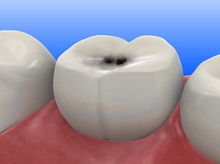 On top of aggravating the symptoms mentioned above, dry mouth raises the risk of gum disease. Besides, the risk of tooth decay increases because saliva limits bacteria growth and does a partial cleaning of food debris and dental plaque.
Saliva enhances the ability to taste and swallow foods. In addition, the enzymes contained in saliva help to digest. Xerostomia therefore compromises food intake because it reduces the ability to appreciate foods and to digest them.
Dry mouth can also make it difficult to wear removable prosthetic devices (dentures and partials) because contact on dry gums is difficult, and can also be painful.
Treatments
 If dry mouth is provoked by certain medications, your doctor may adjust their dosage or substitute them with other drugs that do not cause xerostomia.
Your doctor or your dentist may also prescribe you a mouthwash to partially clean your mouth and keep it moist. If there is no improvement, a drug that stimulates the production of saliva, Salagen appointed, may also be prescribed.
Other measures that can help the production of saliva include:
- Have a sugarless candy or chewing on sugarless gum.
- Drink plenty of water to keep your mouth hydrated and moist
- Protect your teeth by brushing with toothpaste containing fluoride, use a mouthwash containing fluoride, and visit your dentist regularly for routine checkups.
- Avoid foods containing caffeine because this substance decreases the amount of saliva in your mouth.
- Do not use mouthwash containing alcohol because they tend to dry out your mouth.
- Avoid alcohol.
- Stop tobacco use.
- Breathe through your nose instead of your mouth as much as possible.
- Add a humidifier in your bedroom to increase the humidity in the air.
References
Wikipedia, the free encyclopedia (www.wikipedia.org).
WebMD, better information, better health (www.webmd.com).
The information above should be used as a reference only. Any medical decision should not be taken before consulting a health care professional.
The masculine gender may have been more used in the article, but without prejudice, to make reading easier.
Category dental problems
- Abfraction
- Abrasion
- Ankylosis
- Anodontia
- Attrition
- Broken fillings
- Bruxism (Teeth Grinding)
- Cavity (tooth decay)
- Cold sore (herpes labialis)
- Dental abscess
- Dental plaque
- Denture Irritations and Infections
- Denture stomatitis (prosthetic stomatitis)
- Dry socket
- Erosion
- Fluorosis (dental)
- Gingival hyperplasia
- Gingival pocket
- Gingivitis
- Gum Disease (Periodontal Disease)
- Gum recession
- Halitosis (Bad Breath)
- Hyperdontia (supernumerary teeth)
- Hypocalcification
- Hypodontia
- Impacted tooth (tooth impaction)
- Leukoplakia
- Lichen planus
- Malocclusion (Misaligned Teeth)
- Microdontia
- Micrognathia (micrognathism)
- Mucocele
- Oligodontia
- Oral cancers
- Oral candidiasis
- Overbite
- Overjet
- Pericoronitis
- Periodontal pocket
- Periodontitis
- Prognathia (prognatism)
- Resorption
- Retrognathia (retrognatism)
- Sleep apnea
- Tartar (Calculus)
- TMD (Pain and Cracking of the Jaw)
- Tooth Discolouration
- Tooth sensitivity (sensitive teeth)
- Torus
- Trismus
- Ulcers and canker sores
- Xerostomia (Dry Mouth)